Professor Diande's Care of Magical Creatures Class

Started by Aesma4 pages

Another masterpiece, or what he considers a masterpiece. A parchment filled with notes and another picture glued onto it. The picture seems to have some resemblance to the student who turned it in...

Giants

Giants seem like overgrown humans that grow to about 20 feet tall. There used to be various races of giants which differed depending on the place where they had lived, though most were driven into the mountains. Most use to serve He-Who-Must-Not-Be-Named, killing Muggles but most were killed and the rest fled. There still exists those willing to follow You-Know-Who, still holding grudges against those who killed their race, but the rest seemed to have decided to live peacefully. They have been found in several stories already, most were evil indeed, though more like evil to humans, but there still existed peaceful ones knowing that there was no need for violence.

Ocean Oliver

~Karen,Slytherin~

Dragons are the one of the most amazing magical creatures in the world.Dragons are terrifying and awe-inspiring as they take wing and breathe fire. Muggles remember them only as beasts from mythology, which is a credit to the ongoing efforts of the Ministries of Magic in many countries who work tirelessly to keep these huge beasts hiddin.

Breeds of Dragons
There are ten breeds of dragons in the world:

Antipodean Opaleye:
are native to New Zealand (and Australia). their habitat is in valleys. there medium sized, their appearance is iridescent, pearly scales, and there eyes are glittering, multicolored, with no pupils.Their falme is vivid red and their eggs are pale grey. Antipodean Opaleyes eat sheep.

Chinese Fireball(liondragon)
are native to China. their appearance is scarlet with fringe of golden spikes around its face and their eyes are protruding. their flame is mushroom-shaped and their eggs are vivid crimson speckled with gold. these dragons eat pigs and humans.

Common Welsh Green
Native to: wales
habitat: nests in higher mountains
appearance: green
flame: narrow jest
food: sheep
eggs: earthy brown speckled with green.

Hebridean Black
native to: Hebrides
length: up to 30 feet
appearance: dark,rough scales, ridges along back, tail is spiked.
eyes: bright purple
food: deer

Hungarian Horntail
native to: Hungary
appearance: black scales,bronze horns,spiked tail
eye: yellow, vertical pupils
roar: yowling, screeching scream
flame: up to fifty feet
food: goats, sheep, humans
eggs: cement-colored with very hard shells.

Norwegian Ridgeback
native to: Norway
appearance: black scales,bronze horns, black ridges on its back
fangs: venomous
food: any large mammals, including water animals
eggs: black

Peruvian Vipertooth
native to: Peru
appearance: smooth,copper-colored,short horns
fangs: venomous
size: small(15 feet)
food: goats, cows, especially humans

Romanian Longhorn
native to: Romania
Color: dark green scales, long glittering golden horn.

Swedish Short-Snout
native to: Sweden
habitat: wild,uninhabited mountain areas
appearance: silvery-blue
flame: brilliant blue

Ukrainian Ironbelly
native to: Ukraine
appearance: metallic grey,long talans
size: largest breed of dragon, up to six tons
eyes: deep red

a pic of some dragons:

Originally posted by pip-foot
Laura walked up to the front to hand in her assignment. she loved care of magical creatures, and hadn't minded doing the work. actually she enjoyed it and was anxiously anticipating th next class, so she could learn even more about the wonderful creatures, she loved. her favorite was the unicorn so she had written about it.

Laura Weasley
RAvenclaw
1st year

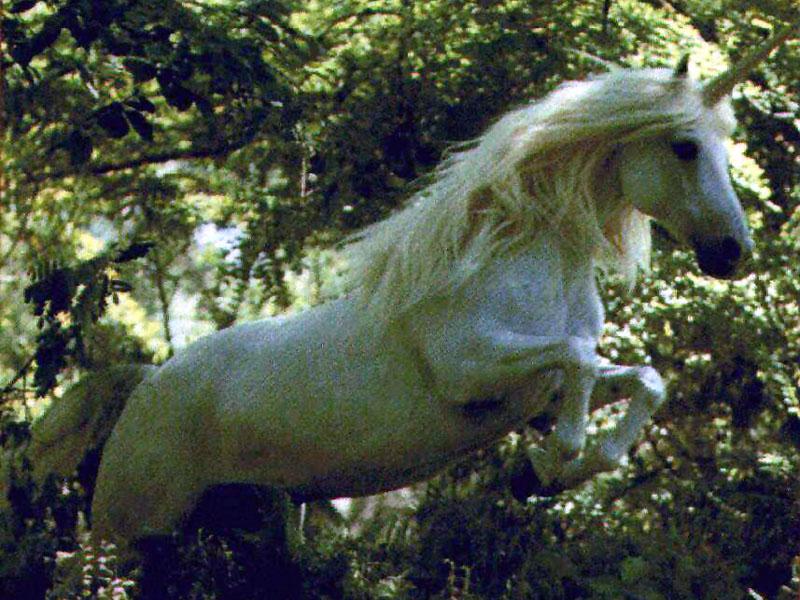
unicorns are very beautiful magical creatures. They are gold until they are 2 years old, and then they turn silver. Their horns are often used for potion making. Unicorns tend to like grils better than boys and are more likely to let girls near them. Unicron blood allows you to live forever, but you will live a cursed life, because it is a terrible sin to slay something so pure as a unicorn.

Pictue: http://www.angelfire.com/scifi/magicalrealms/unicorn-800x600-025.jpg

Five points for Ravenclaw

Originally posted by pip-foot
(Chris Weasly, slytherin, 5th)
chris walked up to hand in his homework. unlike his sister, he hated care of magical creatures. he hadn't had time to do his homework, so insted he copyed DRakes. He'd heard about Dale getting caught copying, so he had reworded parts of the paper, to make it sound different. hopefully it would work. ( hopefully he wont get caught!!)

Dragons come from all over the world. They all have sinuous serpentine bodies, have four legs, they do not usually breath fire, usually shown not to have wings. dragons are made up of many other types of animalstheir body is like a snakes, ears are simmilare to a bulls and claws like eagles. dragons have around 117 scales of different types, used to even out their temper.

pic: http://www.draconian.com/artwork/clipart/clipart.htm

Fortunately, Professor Diande hasn't caught you. However, she has written a note at the bottom of the page.

"Rather brief. Please try harder for furture asssignments."

Originally posted by Aesma
Another masterpiece, or what he considers a masterpiece. A parchment filled with notes and another picture glued onto it. The picture seems to have some resemblance to the student who turned it in...

Giants

Giants seem like overgrown humans that grow to about 20 feet tall. There used to be various races of giants which differed depending on the place where they had lived, though most were driven into the mountains. Most use to serve He-Who-Must-Not-Be-Named, killing Muggles but most were killed and the rest fled. There still exists those willing to follow You-Know-Who, still holding grudges against those who killed their race, but the rest seemed to have decided to live peacefully. They have been found in several stories already, most were evil indeed, though more like evil to humans, but there still existed peaceful ones knowing that there was no need for violence.

Ocean Oliver

3 points to Ravenclaw

Originally posted by Aqua
~Karen,Slytherin~

Dragons are the one of the most amazing magical creatures in the world.Dragons are terrifying and awe-inspiring as they take wing and breathe fire. Muggles remember them only as beasts from mythology, which is a credit to the ongoing efforts of the Ministries of Magic in many countries who work tirelessly to keep these huge beasts hiddin.

Breeds of Dragons
There are ten breeds of dragons in the world:

Antipodean Opaleye:
are native to New Zealand (and Australia). their habitat is in valleys. there medium sized, their appearance is iridescent, pearly scales, and there eyes are glittering, multicolored, with no pupils.Their falme is vivid red and their eggs are pale grey. Antipodean Opaleyes eat sheep.

Chinese Fireball(liondragon)
are native to China. their appearance is scarlet with fringe of golden spikes around its face and their eyes are protruding. their flame is mushroom-shaped and their eggs are vivid crimson speckled with gold. these dragons eat pigs and humans.

Common Welsh Green
Native to: wales
habitat: nests in higher mountains
appearance: green
flame: narrow jest
food: sheep
eggs: earthy brown speckled with green.

Hebridean Black
native to: Hebrides
length: up to 30 feet
appearance: dark,rough scales, ridges along back, tail is spiked.
eyes: bright purple
food: deer

Hungarian Horntail
native to: Hungary
appearance: black scales,bronze horns,spiked tail
eye: yellow, vertical pupils
roar: yowling, screeching scream
flame: up to fifty feet
food: goats, sheep, humans
eggs: cement-colored with very hard shells.

Norwegian Ridgeback
native to: Norway
appearance: black scales,bronze horns, black ridges on its back
fangs: venomous
food: any large mammals, including water animals
eggs: black

Peruvian Vipertooth
native to: Peru
appearance: smooth,copper-colored,short horns
fangs: venomous
size: small(15 feet)
food: goats, cows, especially humans

Romanian Longhorn
native to: Romania
Color: dark green scales, long glittering golden horn.

Swedish Short-Snout
native to: Sweden
habitat: wild,uninhabited mountain areas
appearance: silvery-blue
flame: brilliant blue

Ukrainian Ironbelly
native to: Ukraine
appearance: metallic grey,long talans
size: largest breed of dragon, up to six tons
eyes: deep red

a pic of some dragons:

Wonderful Karen! Take Twelve points for Slytherin!

PLEASE READ - I will accept no more homework assignments. There will be a new assignment set this weekend.

awwwww i wanted to add more to my dragon thing.....

hey..what about the hufflepuff paper...I am gonna post anyways..k Phoe..cuz they REALLY need some pts.......(don't be angry 😄)

Jasmine walked into the classroom quite confident. She loved animals in every different form, as long as they were cuddly and furry!

House-elves are small humanoid creatures who inhabit large houses belonging to wealthy Wizarding families. They are "bound" to the family of the house, which means they do all manner of menial tasks for them until they die. House-elves are apparently very happy with this arrangement and consider it a matter of pride that they serve faithfully and do not betray their families.

A house-elf is a short creature with large bat-like ears and enormous eyes. It is difficult to tell the difference between male and female house-elves, although the female generally has a higher, squeakier voice. Both male and female house-elves do not wear clothing (and would consider it shameful to do so) but cover themselves in towels, tea cozies, or pillowcases. If their owner gives them an article of clothing, it breaks the "enslavement" and the house-elf is free. For most house-elves, this would be the ultimate insult and they would be shamed forever.

Jasmine Tonks, 7th year, Hufflepuff

Originally posted by airangel429
hey..what about the hufflepuff paper...I am gonna post anyways..k Phoe..cuz they REALLY need some pts.......(don't be angry 😄)

Jasmine walked into the classroom quite confident. She loved animals in every different form, as long as they were cuddly and furry!

House-elves are small humanoid creatures who inhabit large houses belonging to wealthy Wizarding families. They are "bound" to the family of the house, which means they do all manner of menial tasks for them until they die. House-elves are apparently very happy with this arrangement and consider it a matter of pride that they serve faithfully and do not betray their families.

A house-elf is a short creature with large bat-like ears and enormous eyes. It is difficult to tell the difference between male and female house-elves, although the female generally has a higher, squeakier voice. Both male and female house-elves do not wear clothing (and would consider it shameful to do so) but cover themselves in towels, tea cozies, or pillowcases. If their owner gives them an article of clothing, it breaks the "enslavement" and the house-elf is free. For most house-elves, this would be the ultimate insult and they would be shamed forever.

Jasmine Tonks, 7th year, Hufflepuff

((Well, as Hufflepuff are sorely lacking in points, and Professor Diande has a soft spot for her cousins, the House Elves, I'll think she'll allow it!!))

7 points to Jasmine!

I will accept no more homework. a new assignment will be set this weekend.

As Dragons and Unicorns were by FAR the most popular, the nex few homeworks will concern those two magestic creatures!

"Everybody knows what a dragon is: an enormous, fierce, bloodthirsty creature appearing in fairy tales and legends as an accessory whose main function is to set off the bravery of knight challenging him. The dragon is an obscure, mysterious character, described in broad terms, and is little more than foil to enhance the hero's valor.

Dragon is a legendary beast in the folklore of many European and Asian cultures. Legends describe dragons as large, lizardlike creatures that breathe fire and have a long, scaly tail. In Europe, dragons are traditionally portrayed as ferocious beasts that represent the evils fought by human beings. But in Asia, especially in China and Japan, the animals are generally considered friendly creatures that ensure good luck and wealth.

According to some medieval legends, dragons lived in wild, remote regions of the world. The dragons guarded treasures in their dens, and a person who killed one supposedly gained its wealth. The English epic hero Beowulf died in a fight with a treasure-guarding dragon.

In China, the traditional New Year's Day parade includes a group of people who wind through the street wearing a large dragon costume. The dragon's image, according to an ancient Chinese belief, prevents evil spirits from spoiling the new year. Another traditional Chinese belief is that certain dragons have the power to control the rainfall needed for each year's harvest.

However the dragon is something else. He is admirable, intelligent and educated creature, who leads a most interesting life. He has some fascinating characteristics in addition to those occasional glimpses we are given through fairy tail and legends.

In the world of fantastic animals, the dragon is unique. No other creature has appeared in such a rich variety of forms. It is as though there was once a whole family of different dragon species that really existed, before they mysteriously became extinct. Indeed, as recently as the seventeenth century, scholars wrote of dragons as though they were scientific facts, their anatomy and natural history being recorded in painstaking detail.

The naturalist Edward Topsell, for instance, writing in 1608, considered them to be reptilian and closely related to serpents: "There are divers sorts of dragons, distinguished partly by countries, partly by their quantity and magnitude, and partly by the different form of their external parts." Personifications of malevolence of beneficence, paganism or purity, death and devastation, life and fertility, good or evil. All these varied, contradictory concepts are embodied and embedded within that single magical word.

The dragon has always been slandered and misjudged, persecuted and hounded by man, simply because they are different. Like so many other living beings, he has experienced death and persecution in the name of so-called superiority of civilized man.

Perhaps, in the future, man will learn with the death of a single animal or plant species an irreplaceable asset - something more precious than all the wealth in the world - is lost. Only then will the Earth continue to be a brilliant blue jewel in the universe, for in its heart will be locked the priceless treasure of the diversity of the species, and man will have recognized his duty to cherish every single one."

Please research, name and give a brief description of three types of Dragon
{Well alright my fave mistical beast was chosen 😄 i'm so happy 😄}
Pernese Dragon

PHYSIOLOGY: These dragons have four legs, and two wings. They have smooth, leathery skin without scales. The dragons eyes are compound and faceted like a fly's that can change color depending on the mood of the dragon. They have a telepathic abilities with other dragons, and their rider. Pernese dragons can also teleport into "between", which is a void, to escape danger. Gold and green dragons are Female. Bronze, brown and blue are Male. They can breath fire by first swallowing a certain type of flammable rock known as Firestone. Read more about Pernese Dragons.

HISTORY: The colonists of Pern (A world created from the stories by Anne McCaffrey) genetically engineered these huge dragons from their small cousins, Firelizards. Pernese dragons and their riders have a life-long relationship, this is started at the Impression. This is when the dragons hatch and choose their human partner. If the human partner dies without the dragon, the dragon will go between permanently. If the dragon dies, the human usually wastes away until they pass on.

Drake : Drayk (Hey it's my name 😄)

PHYSIOLOGY: This is a Western-type dragon with only legs and no wings. There are two types of drakes, Fire and Cold. FireDrakes have the breath of flame, and are usually reddish in color. ColdDrakes have the breath of snow and hail, and are usually white or light bluish in color. These types of dragons do not fly, they look like large lizards being about 4' - 40' long.

HISTORY: This dragon has links to the Western dragon in history, but no solid history has been produced. Sometimes young western dragons are mistaken for drakes because of the lack of wings until they reach maturity. In Europe there are many cities named after this dragon: Drakeford, Drakeshill, etc.

Amphiptere : Am-fih-teer

PHYSIOLOGY: These are dragons with only wings.

HISTORY: The most famous amphiptere is Quetzalcoatl (kwet-zah-coat-al), the winged and feathered serpent god from Mexican history. Scientists think that the myth of Quetzalcoatl started with a bird, the Quetzal. This bright green bird has tail feathers of over two feet long, and when it flies, the bird looks like a shimmering serpent
(well since the last Dragon specie was a little small explanation Drake decided to put some more to get the teacher to like him 😄)

Wyvern : wi-vurn

PHYSIOLOGY: These are dragons which have two wings, but only two legs. Sometimes shown as having claws on the wings, acting like another pair of "hands". The Wyvern is sometimes depicted as having a razor sharp stinger filled with poison on the end of its tail.

HISTORY: The history of the wyvern seems to come from Europe. The history of this dragon is not so clear, it seems to be mixed in with the history of the 4-legged dragon. Wyvern's have been depicted in heraldry on shields and banners for hundreds of years, and is considered a sign of strength to those who bear the symbol. One of the more famous wyverns is Vermithrax in the movie DragonSlayer.

Drake Faydark, Ravenclaw

A massive TEN points to Drake! I believe you've just put Ravenclaw in the lead!

Faerie Dragon
PHYSIOLOGY: Tiny dragons, being only about 5' long, any color, with large eyes, and large butterfly-type wings. They are vegetarian.

Eastern Dragon
PHYSIOLOGY: They have sinuous serpentine bodies, have four legs, they do not usually breath fire, and most don't have wings, but Muggles draw them with them. Most rare of the large type of dragon, since, because of their lack of ability to fly, have a certain territory which they keep to.

Western Dragons.
Phisiology: Wide, long and scaly. These dragons are supported by four strong legs, two bat-like wings. They have wedge-shaped heads and long necks. Almost all are firebreathers. Some(although very little) are shape changers, and again a very small number have chameleon-like power.

Dale, Gryffindor

"I know most of this. My parents took me to see the dragon parks of the Andes when I was younger."

{Phoe, did you want different species like the hungarian horntail or something?)

"Oh, and professor, I could tell you about the dragon my father adopted if you want?"

((Well, any types of Dragons really. our Muggle Dragons, or the JK's Dragons))

6 points to Dale

"And if you can tell me of the care your father's Dragon needed, can give you four bonus points."

"It ate over three hundred kilgrams of raw meat a week. He had to stable it in an building twice it's size, and schain it to stop it lashing out. Ater a while it got use to us, but the strain it was putting on our income forced him to release it into the Amazon.

Four points!