Originally posted by Beniboybling
Good to see many woke brothers and sisters on this thread who realise the poor are just lazy and incompetent. 😠
Originally posted by dadudemon
Sorry, no sympathy for people whining about their situations of not being able to afford to live when they clearly have the English language know how to write an article about how hard their life is at 35 for not getting motivated to do something about it. Clearly, he's intelligent. Clearly, he's well-written and spoken. Clearly, he's lazy and should do something about his situation
Originally posted by dadudemon
...I...think we should have a universal healthcare system and a universal basic income...
Originally posted by Beniboybling
Good to see many woke brothers and sisters on this thread who realise the poor are just lazy and incompetent. 😠
I don't think the poor are lazy and incompetent. I think welfare creates an incentive structure which breeds indolence. If we eliminated these programs the poor would have a greater incentive to increase their living standards.
Originally posted by DarthSkywalker0A ten point drop in poverty is dreary? I'd say that's quite a good result, especially when you break it down further. Poverty among the elderly, for instance, plummeted from around 48% to 16%. Child poverty also experienced a notable decline after the 1996 welfare reforms, although progress in that area is more patchy.
[B]Well, this is a half truth. While it is true that absolute poverty measure does not include the earned income tax credit nor the child tax credit, the Supplemental Poverty Measure does and it still paints a dreary picture.
While does this does depict a greater drop in poverty, it does not contrast the decline in previous years. The poverty rate was already falling drastically before The War On Poverty was implemented.Right, but we know in retrospect that millions more would still be in poverty today if these programs were not implemented, even if the downward trend continued. Food stamps alone have profound antipoverty impact, lifting about 4 million out of poverty altogether.
Add that 4 million to the almost 10 million adults and 5 million children lifted out of poverty due to the EITC+Child Tax Credits, and you've got almost 20 million out of poverty who would not be otherwise. When you add the remaining federal assistance programs, this number rises to 40 million according to the CBPF (citing the Census Bureau). And when you add in the 30 million who have been made "less poor" as shown on the first chart that you responded to, the total number helped by these programs balloons to 70 million. It's possible that if EITC and the like were expanded, then those 30 million "less poor" people would finally be able to leave poverty.
Public programs lifted 40 million people out of poverty in 2011, including almost 9 million children, according to the Census Bureau’s Supplemental Poverty Measure, which counts non-cash benefits and taxes (see chart).
In fact, the biggest drops on this chart transpired during the welfare cuts of 1996.It's inaccurate to call the 1996 Welfare Reforms "cuts". After all, the War on Poverty measures remained intact and welfare spending continued to grow afterwards. What the welfare reform s did was establish strong welfare to work incentives and expand the EITC. These measures were broadly successful at making the welfare system a better ladder out of poverty, and the drop in poverty afterwards simply show the efficacy of a disciplined welfare state.
The SPM does show that poverty has dropped, despite the lukewarm results what it does not show is the fact that such drops are simply due to government handouts. We can use the Anchored Supplemental Poverty Measure Before Taxes and Transfers to assess welfare's success. This measure shows people's ability to earn money without the taxes and subsidization.Well, if we want to assess the effect that welfare payments are having on poverty, then it makes sense to include them in our figures. And when we do, the results are quite stunning. And although I accept that non-welfare earnings have not been rising to the same degree, this can be explained by wages lagging severely behind productivity and inflation increases. In that way, welfare is actually an essential fortification of people's incomes against these negative trends.
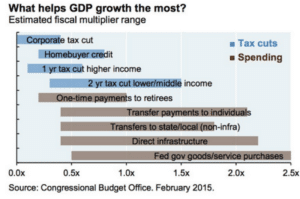
We have spent 22 trillion dollars in an attempt to prevent poverty. GDP has grown immensely since 1967.This is not accurate for a number of reasons. First off, transfers to individuals in the form of credits and entitlements actually produce a net positive economic return, sometimes as high as 2:1. This, by the way, makes a targeted EITC or Medicaid expansion vastly more effective than any corporate tax cut or tax cuts to the middle-upper classes. Secondly, targeted welfare expansions have been shown to increase the number in work. This was seen in the 90s, when an EITC expansion coaxed single mothers out of unemployment. Thirdly, welfare payments such as the EITC made early in life have a profound impact on a child's prospects, so they certainly could be described as a trampoline.The incentive structure created by the welfare state has discouraged economic recovery and has turned government into a post to lean on rather than a trampoline upon which to jump off of.
If you can't see above image, click on this link and zoom in:
https://www.gfmi.com/wp-content/uploads/2017/01/gfmiblog1-300x199.png
We can contrast this startling number with poverty declination in the past. Real income in 1990 was 15 times greater than it was in 1900. Real per capita income was over four and one-half times greater in 1990 than in 1900. Not only have real earnings increased drastically so has poverty. 56% of families were poor in the year 1900. In 1947, despite the economic troubles of the Great Depression and WWII, the poverty rate had gone down to 27%. This number decreased way before the War on Poverty even began.Some issues here:
- Using poverty rates from 70-100 years ago is going to run into problems due to the immense social changes that have occurred since then, notably the decline of marriage. The way that poverty is classified has also changed.
- 27% poverty is about where we would be if no welfare programs were in place, so this just underlines the crucial need for welfare.
- The US economy was booming in the aftermath of World War 2, due to the devastation of Europe and America's domination of export markets. So a 27% poverty rate is pretty horrendous.
One more note regarding the SPM, California has the highest SPM out of any state in the nation. California has one of the biggest welfare states in the nation.Be that as it may, it does not change the fact that welfare payments have lifted more than 4 million Californians out of poverty. Consult tables at the bottom of this article.
I have a question regarding this tax plan. I know someone who has cerebral palsy which essentially paralyzes their spine, making them unable to walk and barely able to grasp objects. They were born with this condition. Despite this, they have lived independently their entire lives due to SSI providing rent, SNAP benefits providing food, and Medicaid insurance providing medical benefits. How is Trump's tax plan going to effect this individual's subsistence benefits, and if they are removed, what is the justification, given the individual was born with their crippling condition?
I'm at least glad nobody had a hysterical reaction to this tax plan. Good stuff.
Anyways, interesting:
Originally posted by Lestov16The Republicans have been hinting at deep cuts, but not in this tax bill AFAIK. Likely next year.
I have a question regarding this tax plan. I know someone who has cerebral palsy which essentially paralyzes their spine, making them unable to walk and barely able to grasp objects. They were born with this condition. Despite this, they have lived independently their entire lives due to SSI providing rent, SNAP benefits providing food, and Medicaid insurance providing medical benefits. How is Trump's tax plan going to effect this individual's subsistence benefits, and if they are removed, what is the justification, given the individual was born with their crippling condition?
https://www.forbes.com/sites/nextavenue/2017/12/12/why-big-medicare-and-medicaid-cuts-are-likely/
Originally posted by SurturGoldman Sachs appears to disagree and thinks the US will experience negligible to negative economic benefits. Considering there are Goldman Sachs insiders within the Trump administration who would actually have every reason to sugarcoat the tax plan, I am inclined to believe their estimates are accurate or even understating its mediocrity. In the short term, it may attract a trickle of investment but I wouldn't expect anything significant. And international reaction might cancel out the effects.
I'm at least glad nobody had a hysterical reaction to this tax plan. Good stuff.Anyways, interesting:
Only time will tell who is right, though, I suppose.
This pretty much sums it up.
HEY WHERE IS EVERYBODY!? They are DEAD cause Republican Tax Law Passes
Wells Fargo, Fifth Third Bancorp unveil minimum wage hikes after tax bill passage
Nice.
Boeing CEO Dennis Muilenburg unveils $300M in initiatives in response to tax bill
Neat.
AT&T Announces Big Bonuses for Employees After GOP Tax Bill Passage
"This news might come as a black eye for Senate Minority Leader Chuck Schumer, who invoked AT&T as he criticized the GOP reform plan in a speech of dissent today"
lol
Originally posted by Surtur
Wells Fargo, Fifth Third Bancorp unveil minimum wage hikes after tax bill passageNice.
Boeing CEO Dennis Muilenburg unveils $300M in initiatives in response to tax bill
Neat.
AT&T Announces Big Bonuses for Employees After GOP Tax Bill Passage
[b]"This news might come as a black eye for Senate Minority Leader Chuck Schumer, who invoked AT&T as he criticized the GOP reform plan in a speech of dissent today"
lol [/B]
Wait....is this trickle down economics at play? I thought that was a myth? It's what I learned in college.
No, I'm not joking.
Originally posted by SurturWealthy make token gestures to legitimise massive tax cuts on wealthy. What a shock.
Wells Fargo, Fifth Third Bancorp unveil minimum wage hikes after tax bill passageNice.
Boeing CEO Dennis Muilenburg unveils $300M in initiatives in response to tax bill
Neat.
[
URL=https://www.mediaite.com/online/att-announces-big-bonuses-for-employees-after-gop-tax-bill-passage/]AT&T Announces Big Bonuses for Employees After GOP Tax Bill Passage[/URL][b]"This news might come as a black eye for Senate Minority Leader Chuck Schumer, who invoked AT&T as he criticized the GOP reform plan in a speech of dissent today"
lol [/B]
And you're totally gullible if you think these were are actually done in response to tax cuts. Corporations already have $1.6 trillion in cash reserves, and also have enough deductions to get their effective tax rates down to the teens. This tax reform just makes it a lot easier, and lowers the corporate rate to far below the personal income tax rate, basically inviting more evasion. And if they didn:'t invest massively with $1.6 trillion in reserves,then a few tens more billions isn't suddenly going to spark reverse of attitudes.